
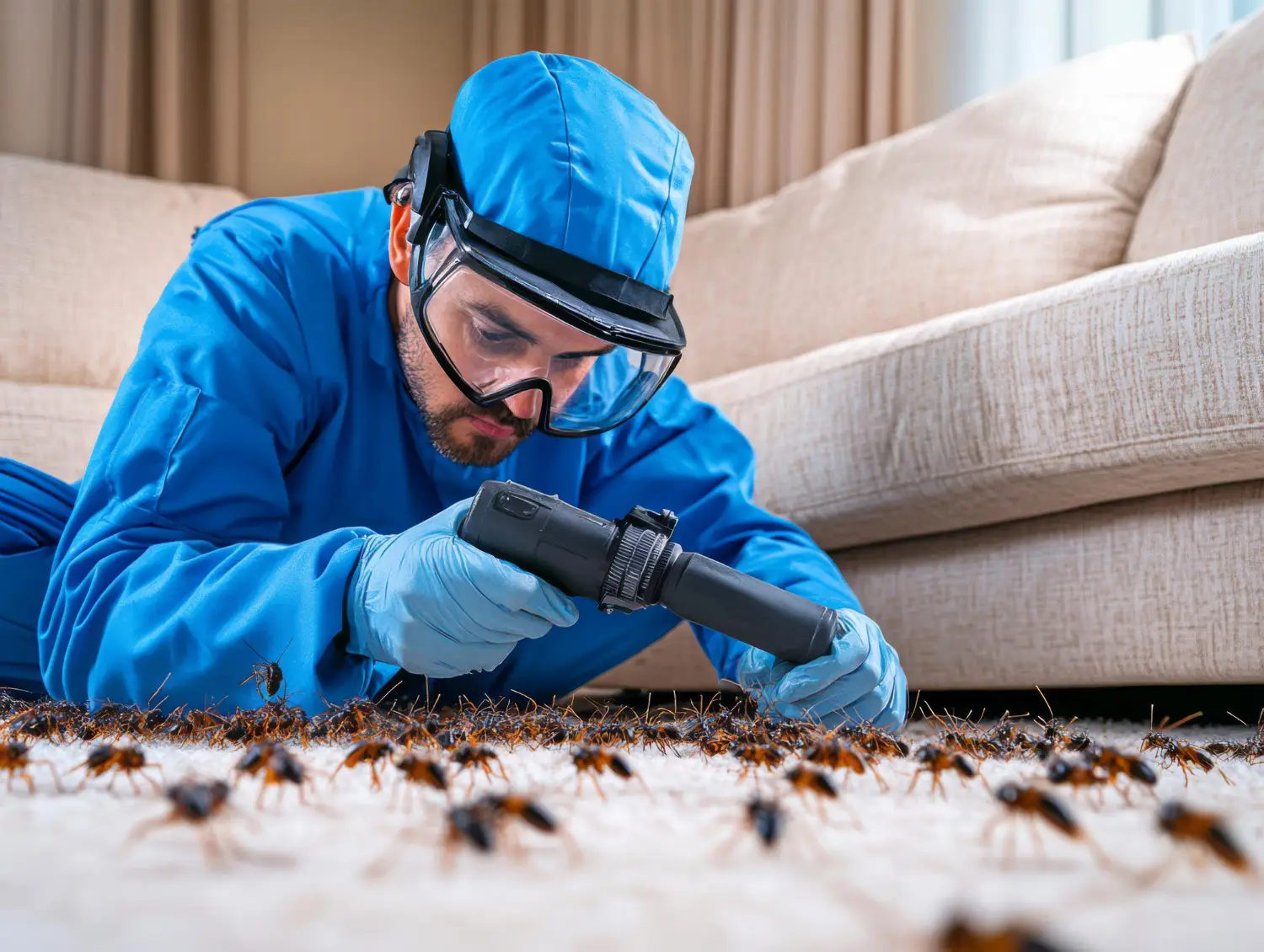

A beautiful carpet can instantly improve the comfort and appearance of a home or office. However, even the finest carpets can become vulnerable to hidden threats such as carpet beetles, moths, silverfish, and other pests. These insects often go unnoticed until visible damage appears in the form of holes, thinning fibers, and worn patches. Professional insect damage carpet restoration helps bring damaged carpets back to life while protecting them from future infestations. Understanding how experts handle this process can help carpet owners make informed decisions and preserve their valuable investments.
Understanding Insect Damage in Carpets
Many premium carpets are made from natural fibers such as wool, silk, and cotton. These materials are highly attractive to insects that feed on organic fibers. Over time, pests can create small holes, weaken the carpet structure, and affect its overall appearance. Common signs of insect damage include:
- Small or irregular holes
- Excessive fiber shedding
- Presence of larvae or shed insect skins
- Thin or worn carpet areas
- Musty or unpleasant odors
When these signs are detected early, it becomes easier to prevent carpet insect damage and avoid costly replacements.
Step 1: Detailed Carpet Inspection
Professional restoration always begins with a thorough assessment. Experienced technicians carefully inspect the carpet to identify:
- The type of insect responsible
- The extent of the damage
- Areas requiring repair
- Fiber condition and carpet age
This detailed inspection allows specialists to create a customized carpet pest damage treatment plan tailored to the carpet’s specific needs.
Step 2: Deep Cleaning and Pest Removal
Before repairs can begin, the carpet must be cleaned thoroughly. Deep cleaning removes:
- Insect larvae
- Eggs and pests
- Dust and debris
- Organic matter that attracts insects
Professional cleaning not only improves hygiene but also creates a clean foundation for restoration work. This step is especially important when trying to treat carpet moth damage, as moth larvae often remain hidden deep within carpet fibers.
Step 3: Repairing Damaged Areas
Once cleaning is complete, technicians focus on repairing visible damage.
Reweaving
For valuable Oriental, Persian, or handmade carpets, reweaving is often the preferred solution. Skilled craftsmen carefully reconstruct damaged sections by matching fibers, colors, and weaving patterns.
Patching
When larger sections are affected, patching may be used. A matching piece of carpet is carefully inserted into the damaged area to create a seamless appearance.
Re-Tufting
For modern carpets, re-tufting helps restore missing fibers. New fibers are inserted into damaged sections, recreating the original texture and design.
These methods provide effective carpet repair for insect holes while preserving the carpet’s original beauty.
Step 4: Protective Treatments
Repairing existing damage is only part of the solution. Professionals also apply preventive treatments designed to discourage future infestations. Modern protective solutions are typically safe for homes, children, and pets while helping to:
- Deter carpet beetles
- Prevent moth activity
- Protect natural fibers
- Extend carpet lifespan
This proactive approach helps homeowners prevent carpet insect damage before it becomes a recurring problem.
Step 5: Ongoing Maintenance Recommendations
Professional carpet restorers often provide guidance on proper carpet care. Simple maintenance practices can significantly reduce the risk of future insect activity. Recommended practices include:
- Regular vacuuming
- Proper ventilation
- Periodic professional cleaning
- Correct storage methods for unused carpets
- Prompt attention to spills and moisture
Consistent care helps maintain both the appearance and structural integrity of carpets for years to come.
Why Professional Restoration Matters
DIY methods may temporarily reduce insect activity, but they rarely address the full extent of the problem. Professional insect damage carpet restoration combines expert inspection, deep cleaning, precise repairs, and preventive treatments to deliver long-lasting results. For delicate Persian, Oriental, wool, and handmade rugs, professional restoration is often the safest way to preserve value, craftsmanship, and appearance.
Restore Your Carpet with Moon Light Carpet Washing
Don’t let insects permanently damage your valuable carpets. Whether you need carpet pest damage treatment, carpet repair for insect holes, or complete insect damage carpet restoration, Moon Light Carpet Washing offers professional solutions tailored to your carpet’s unique needs.
With expert craftsmen, advanced cleaning methods, specialized repair services, and convenient pickup and delivery across Dubai, MoonLightCarpet Washing helps restore Oriental, Persian, handmade, and contemporary carpets to their original beauty. Contact the team today and give your carpet the professional care it deserves.
Frequently Asked Questions
1. What insects commonly damage carpets?
Carpet beetles, clothes moths, silverfish, and certain larvae are among the most common pests that feed on natural carpet fibers and create visible damage.
2. Can insect-damaged carpets be fully repaired?
In many cases, yes. Professional restoration techniques such as reweaving, patching, and re-tufting can successfully repair damaged sections and restore appearance.
3. How do professionals treat carpet moth damage?
Experts use deep cleaning, pest removal, fiber restoration, and protective treatments to effectively treat carpet moth damage and reduce future infestations.
4. How can I prevent carpet insect damage?
Regular vacuuming, proper storage, professional cleaning, and maintaining good indoor hygiene are effective ways to prevent carpet insect damage.
5. Is carpet pest damage treatment safe for homes with pets?
Most professional carpet restoration companies use safe and eco-friendly solutions designed to protect families, pets, and delicate carpet fibers.