
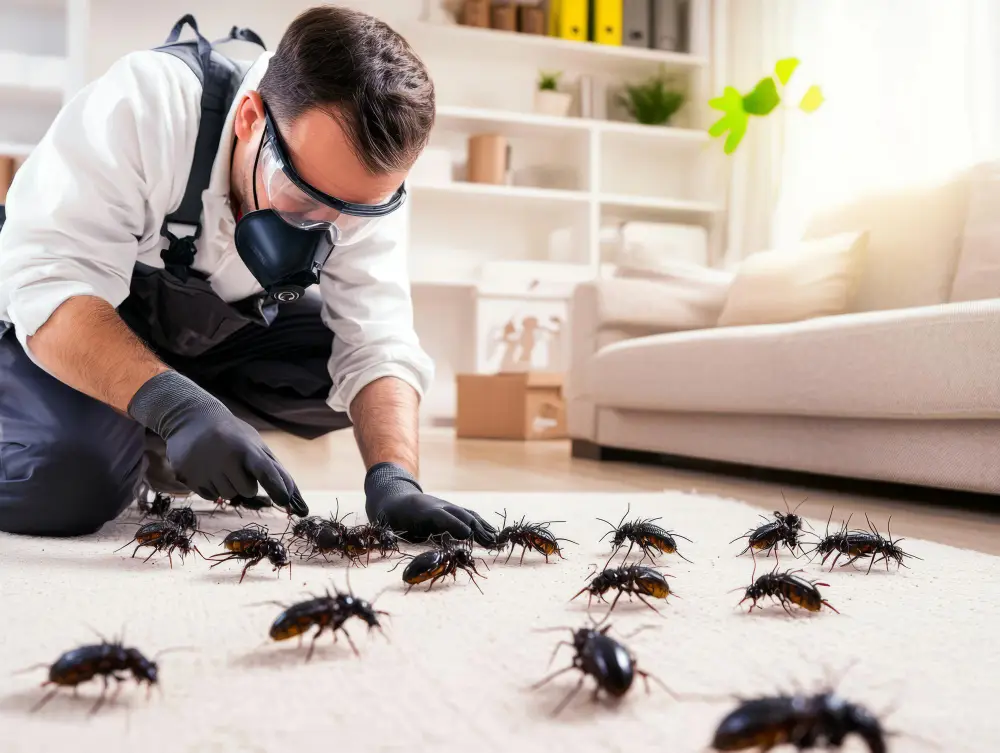
Carpet insects can cause serious damage before you even notice the problem. Moths, carpet beetles, and other pests can feed on natural fibers such as wool and silk, leaving behind holes, thinning areas, frayed edges, and weakened sections. In Dubai, regular carpet inspection and professional cleaning are especially important because dust, warmth, and indoor storage conditions can create favorable environments for some pests.
The good news is that insect-damaged carpets do not always need to be replaced. Professional insect damage carpet restoration can repair holes, restore weakened areas, treat existing infestations, and help preserve the carpet for years.
This guide explains how insect damage happens, how to identify it, how professionals restore affected carpets, and what homeowners can do to prevent carpet insect damage.
What Causes Insect Damage to Carpets?
Carpet insects are particularly attracted to natural materials. Wool, silk, cotton, and other organic fibers can provide food for certain larvae. Moths and carpet beetles are among the common pests associated with damage to natural-fiber rugs.
Insects may be attracted to carpets because of:
- Natural wool or silk fibers
- Food particles and organic debris
- Pet hair and skin flakes
- Moisture or humidity
- Long-term storage
- Limited cleaning
- Dark, undisturbed areas
The adult insect may not be responsible for the visible damage. In many cases, larvae cause the actual destruction by feeding on the carpet fibers.
How Can You Tell If Your Carpet Has Insect Damage?
Early identification makes restoration easier and can prevent the problem from spreading.
Common signs include:
- Small Holes: Irregular holes appearing across a rug can indicate insect activity. Several small holes close together may suggest that larvae have been feeding in one area.
- Thinning or Bare Areas: If sections of the carpet pile appear thinner than normal or completely worn away without heavy foot traffic, insect damage may be responsible.
- Frayed Fibers: Loose, weak, or broken fibers around the edges and surface can indicate an infestation.
- Larvae or Insect Casings: You may occasionally find larvae, shed skins, or small insect remains underneath or around the carpet.
- Powder or Debris: Fine debris around damaged areas can sometimes indicate that carpet fibers are being consumed.
If you notice these signs, avoid delaying professional inspection. Early carpet pest damage treatment can help limit further deterioration.
Why Is Professional Insect Damage Carpet Restoration Important?
Professional restoration is important because insect damage involves two separate problems: the pest activity and the physical damage already caused.
Simply repairing a hole without addressing the infestation can allow the problem to return. Similarly, treating insects without repairing the damaged fibers leaves the carpet structurally weak.
A professional restoration process may involve:
- Inspecting the carpet
- Identifying signs of pest activity
- Treating the carpet appropriately
- Cleaning and removing contaminants
- Repairing holes and weakened areas
- Reweaving or patching damaged sections
- Checking the carpet before returning it
This complete approach makes insect damage carpet restoration more effective than attempting a quick surface repair.
How Professionals Treat Carpet Moth Damage
Moths can be particularly damaging to wool and other natural-fiber carpets. Their larvae may feed on fibers and create irregular areas of damage.
To treat carpet moth damage, professionals first assess the extent of the affected area. Depending on the carpet material and condition, specialists may recommend appropriate pest treatment followed by cleaning and restoration.
The damaged section may then require:
- Hand reweaving
- Re-knotting
- Patching
- Fiber replacement
- Edge repair
- Color matching
The repair method depends on the construction, design, material, age, and extent of damage.
How Is Carpet Repair for Insect Holes Performed?
Carpet repair for insect holes requires precision, especially when dealing with Persian, Oriental, handmade, antique, or high-value rugs.
Step 1: Inspect the Damage
The technician examines the hole and surrounding fibers to determine whether the damage is limited or still spreading.
Step 2: Identify the Carpet Structure
The material, weave, knotting technique, and original pattern are assessed.
Step 3: Stabilize the Area
Weak surrounding fibers may need reinforcement before the actual repair begins.
Step 4: Reweave or Patch
For handmade carpets, skilled craftsmen may recreate the missing section using matching fibers and traditional techniques. Smaller damage may sometimes be repaired with carefully matched material.
Step 5: Match Colors and Patterns
The repaired section should blend naturally with the existing carpet. Color and pattern matching are particularly important for decorative and antique rugs.
Step 6: Final Inspection
The completed repair is checked for strength, appearance, and consistency.
Professional carpet repair for insect holes can help restore both the appearance and usability of a damaged rug.
Restore Your Damaged Carpets With Moonlight Carpet Washing
Moonlight Carpet Washing provides professional carpet cleaning, repair, and restoration solutions for customers across Dubai. When carpets suffer from moths, beetles, or other pests, our experienced team can assess the condition and recommend an appropriate restoration approach. From carpet pest damage treatment to detailed carpet repair for insect holes, every project is handled with care and attention to the carpet’s material and construction.
Moonlight specializes in restoring different types of rugs, including Persian, Oriental, wool, silk, handmade, and contemporary carpets. Our skilled craftsmen can work on damaged sections through suitable repair and reweaving techniques while focusing on preserving the original appearance.
If you need to treat carpet moth damage, repair holes, or protect a valuable rug from further deterioration, professional assistance can make a significant difference. Contact Moonlight Carpet Washing for reliable inspection, restoration, and carpet care services in Dubai.
FAQs
1. What insects commonly damage carpets?
Moths and carpet beetles are among the insects commonly associated with damage to natural-fiber carpets. Their larvae can feed on wool, silk, and other organic materials.
2. Can holes caused by carpet insects be repaired?
Yes. Depending on the size and location of the damage, professionals may use patching, reweaving, re-knotting, or fiber replacement to restore the affected area.
3. How can I prevent carpet insect damage?
Regular vacuuming, professional cleaning, proper storage, routine inspections, and quick treatment of suspected infestations can help prevent carpet insect damage.
4. Is carpet moth damage repair possible for Persian rugs?
Yes. Persian rugs can often be restored through specialized hand-repair and reweaving techniques. The method depends on the rug’s material, construction, age, and extent of damage.
5. Should I clean or repair an insect-damaged carpet first?
The appropriate sequence depends on the condition of the carpet and whether active insects are present. A professional inspection can determine the safest treatment and restoration process.